Complete Collector's Playbook

Navigating
Card Shows

Card shows are the beating heart of the trading card hobby. Unlike online marketplaces, card shows allow you to physically hold cards, negotiate bundle deals in real-time, swap with fellow collectors, and trade directly with vendors. Master vendor expectations and locate your next local event below!

What is a Card Show?

A card show is an event (varying from small hotel ballrooms to major convention centers) where local vendors set up tables to showcase, trade, sell, and buy trading cards. Unlike tournament halls which focus primarily on playing the game, card shows are optimized for buyers, sellers, and collectors.

What to Expect

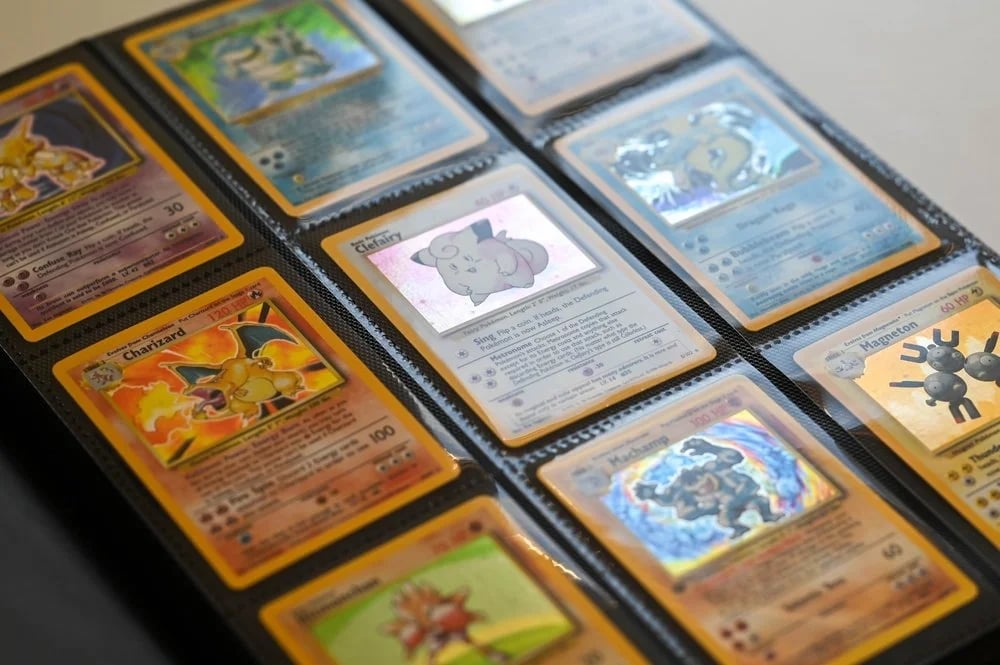
You'll find binders filled with raw cards, showcases packed with high-end graded slabs, boxes of sealed booster packs, and trading areas where collectors meet. Many shows host a "Trade Night" after show hours, which is a highly social gathering for free-form trading among fans.

The Golden Rule

Transactions are based entirely on real-time market comparisons. Buyers and sellers constantly pull up pricing applications (like TCGplayer or eBay Sold listings) to check values. Trust is built on transparent, fair market benchmarks.

Find Local Card Shows Near You

Ready to jump in? Below are the absolute best online calendars, directories, and traveling conventions to discover upcoming sports card and Pokémon TCG shows in your area.

Vendor Pricing Simulator

Wondering what a vendor will pay for your cards at a show? We've built an interactive tool to estimate cash and trade-in offers based on your card's liquidity and current market value.

Pro Tips for Buyers

1
Bring Physical Cash

While most vendors accept digital payments (PayPal, Venmo, credit cards), cash is king. Vendors will often waive tax or offer a 5% to 10% discount on cash deals. Plus, convention center Wi-Fi is notoriously weak, causing digital payments to fail.

2
Inspect Cards Carefully

Always ask the vendor before pulling a card out of a binder or top-loader: "May I look at the condition outside the sleeve?" Check the corners, edges, and surface under good light. Whitening on the back edges significantly decreases a card's grade and value.

3
Negotiate with Respect & Bundles

Never insult a vendor by bidding 50% on a card marked at market value. Instead, be polite and try to bundle cards: "These three cards add up to $105, would you take $90 cash for the group?" Vendors love bundle sales because it clears inventory quickly.

Pro Tips for Sellers & Traders

1
Organize & Label Binders

Keep your trade binder neat. Sort cards by type (Illustration Rares, vintage, playable trainers) or by value. Placing sticky note tabs on pages with value ranges (e.g., "$5-10 page", "$20+ page") helps buyers and vendors quickly understand your stock.

2
Know Your Math Beforehand

Before approaching a vendor table to cash out, look up the TCGplayer Market Price or eBay Recent Solds for your cards. Write down your total value. Having a clear number makes negotiations straightforward: "The market value is $200. I am hoping to get $130 cash."

3
Check out "Trade Nights"

If your goal is to trade cards for cards (rather than cash out), the main show floor is tough because vendors need to make a profit. Instead, attend the event's evening "Trade Night." This is where collectors trade 1-to-1 at 100% of market value without dealer margins.

Collector Advice: Always double-check show times, dates, and admission pricing on the official promoter's social media pages or website before traveling. Weather, venue changes, and dealer counts can fluctuate, so getting real-time updates directly from organizers is always highly recommended.

TCG Help

TCG Help is a free, fan-made community resource. This website is not affiliated with, sponsored by, or associated with Nintendo, Creatures, Game Freak, or The Pokémon Company. All Pokémon images, names, and card text remain the intellectual property of their respective creators.

© 2026 TCG Help. All Rights Reserved.