Trading Card Grading & Submission Guide
Compare top grading companies, master 60/40 pre-grading inspection, calculate ROI, and learn how to safely package your cards.
How Centering & Border Alignment Are Evaluated
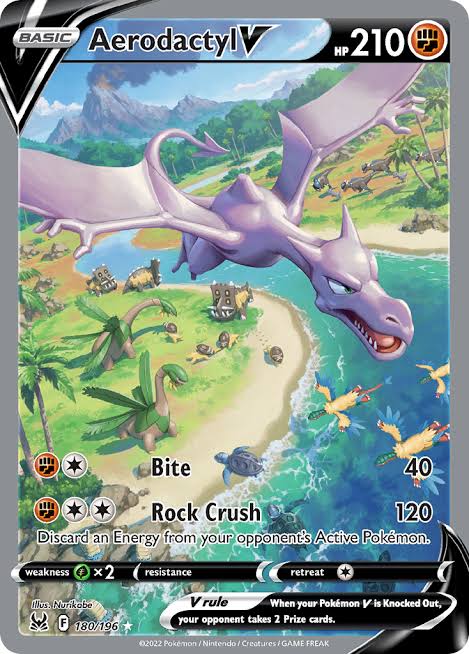
When examining raw chase cards prior to grading, professional graders evaluate Centering (60/40 front, 75/25 back), foil surface reflections, and border width symmetry.
Decoding the Four Subgrade Pillars
Professional grading companies (PSA, BGS, CGC, TAG) evaluate cards across four foundational categories before assigning a final composite grade.
Centering
Evaluated using laser reticles on front & back borders. 50/50 is true perfect; 60/40 front & 75/25 back qualify for PSA 10.
Corners
Inspected for corner whitening, dings, or subtle rounding. All 4 corners must be pin-sharp under 10× magnification.
Edges
Checked along top, bottom, and side cuts for factory rough edges, chipping, or foil separation.
Surface
Examined under raking light for micro-scratches, print lines, roller marks, indentations, or finger oil stains.
Condition Scale Guidelines (Raw 10 to 1)
Evaluate your raw cards using this standardized condition ladder to estimate submission feasibility.
Gem Mint / Pristine
Flawless to the naked eye and under loupe magnification. Perfect centering, razor-sharp corners, pristine edges, and a surface free of scratches or print defects.
Near Mint (NM)
Pristine at first glance. Under close inspection, may have 1-2 micro white specks on back borders or an extremely faint print line.
Lightly Played (LP)
Minor border whitening or light edge silvering. Minor surface scuffs or slight gloss dulling, but retains overall clean eye appeal.
Moderately Played (MP)
Noticeable border wear, soft/rounded corners, light creasing, or surface scratches. Structure is intact without tears or heavy folds.
Heavily Played / Damaged (HP)
Severe creases, heavy edge whitening, water damage, ink markings, or surface peeling. Not recommended for commercial grading.
Difference Between Light Play (LP) and Moderate Play (MP)
One of the most frequent disputes in trading card evaluation is separating Lightly Played (LP) from Moderately Played (MP). Here is the definitive breakdown used by professional evaluators and vendor buylists.
| Inspection Criteria | Lightly Played (LP / PSA 5-6) | Moderately Played (MP / PSA 3-4) |
|---|---|---|
| Edge Whitening | Minor white specks along 1 to 2 edges. Card back remains 85%+ crisp dark border. | Continuous white chipping along 3 or all 4 borders. Clear white line visible at distance. |
| Corners | Slight corner softening or tiny white nick on 1 corner; sharp geometry maintained. | Noticeable corner rounding, fraying paper layers, or multiple blunt corners. |
| Surface & Holo Foil | Light micro-scratches visible only when tilted under direct LED light. Holo shine is bright. | Noticeable clouding, scratching across the foil window visible without angling light. |
| Creases & Indentations | Zero creases or bends permitted. Surface must remain completely flat. | May have minor binder ring indentations or small edge bends that do NOT break paper fibers. |
| Buylist / Resale Pricing | 75% – 85% of Near Mint market comp | 40% – 60% of Near Mint market comp |
MP Condition Meaning in Card Collecting
MP condition meaning: Moderately Played describes a card that has seen repeated tournament play without sleeves or decades in casual storage. While it retains its structural integrity (no tears, no missing chunks, fully legal for sanctioned play in an opaque sleeve), collectors and grading agencies will grade it in the PSA 3 to PSA 4.5 tier. Vintage grails in MP condition provide excellent budget entry points for master set builders.
What Does Near Mint (NM) Condition Mean?
In trading card collecting (Pokémon, MTG, Yu-Gi-Oh!, sports), Near Mint (NM) signifies a card that appears fresh from a sealed booster pack to the naked eye. However, "Near Mint" does not mean "Gem Mint 10."
- Allowable Flaws in NM: 1 to 2 microscopic white flecks on dark back edges; centering within 70/30 on front; faint factory roller line.
- Disqualifying Flaws: Any crease, surface indentation, water wrinkle, corner bend, or widespread silvering automatically disqualifies a card from Near Mint.
- Graded Equivalents: Professional agencies map Near Mint to PSA 7 (Near Mint) and PSA 8 (NM-MT). A raw NM card from TCGPlayer typically grades between 7 and 9.
What is "OC" in PSA Grading?
In PSA card grading, OC stands for "Off-Center." It is an official PSA qualifier added to a grade when a card's physical condition meets all criteria for a high score, but its centering exceeds PSA's strict border tolerances.
- How a PSA 9(OC) Happens: A card with flawless corners, immaculate edges, and scratch-free foil that has 70/30 or 80/20 front centering receives a PSA 9(OC) instead of a straight 9.
- The "No Qualifiers" (NQ) Rule: When submitting cards to PSA, collectors can request "No Qualifiers." If NQ is selected and the card is off-center, PSA docks the grade by two full points—a 9(OC) becomes a straight PSA 7.
- Resale Valuation: A PSA 9(OC) generally sells for the price of a straight PSA 7 or PSA 7.5. Many vintage collectors actively seek OC slabs for oddity and error collections.
Pokémon Card Condition Guide: Border Whitening & Foil Checks
Pokémon cards feature unique manufacturing characteristics that affect condition evaluation differently from sports cards or Magic: The Gathering.
Vintage Blue Back Whitening
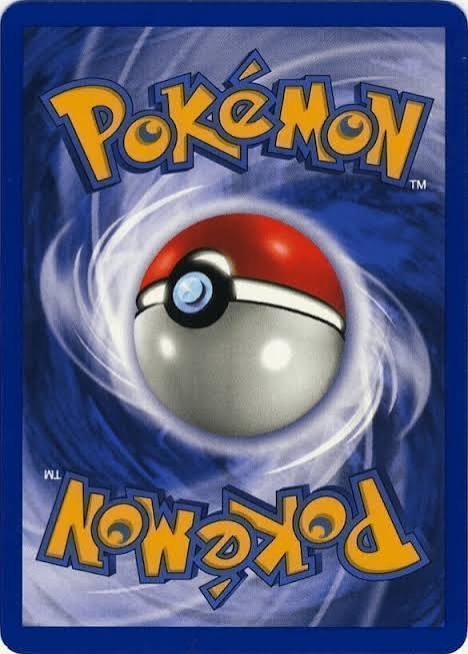
Classic 1999–2003 Wizards of the Coast (WotC) Pokémon cards have dark indigo-blue card backs. Even microscopic friction against plastic binder pages creates white paper fiber specks ("silvering" or "whitening"), immediately dropping PSA 10 candidates to PSA 8 or 9.
Modern Foil Print Lines
Modern Pokémon sets (Sword & Shield, Scarlet & Violet) frequently suffer from horizontal or vertical factory roller print lines across the holofoil. While graders treat faint lines leniently for PSA 9, visible print lines almost always disqualify a card from a PSA 10 or CGC Pristine 10.
English vs. Japanese Cuts
Japanese Pokémon printing facilities use denser cardstock and sharper cutting dies, resulting in smoother borders with virtually zero rough-edge silvering. English cards have softer paper fibers that fray easily along top borders right out of the pack.